
What Counts as an Accident for NYC Sanitation Disability Retirement Claims?

When a Line of Duty Injury Becomes an "Accident" Under Pension Law Key Takeaways: For NYC sanitation disability retirement claims, an "accident" generally means a sudden, fortuitous mischance that is unexpected and out of the ordinary. RSSL § 556 does not define the term, so the test comes from New York case law. An injury […]
What Is New York’s Scaffold Law and How Does It Protect Queens Workers?
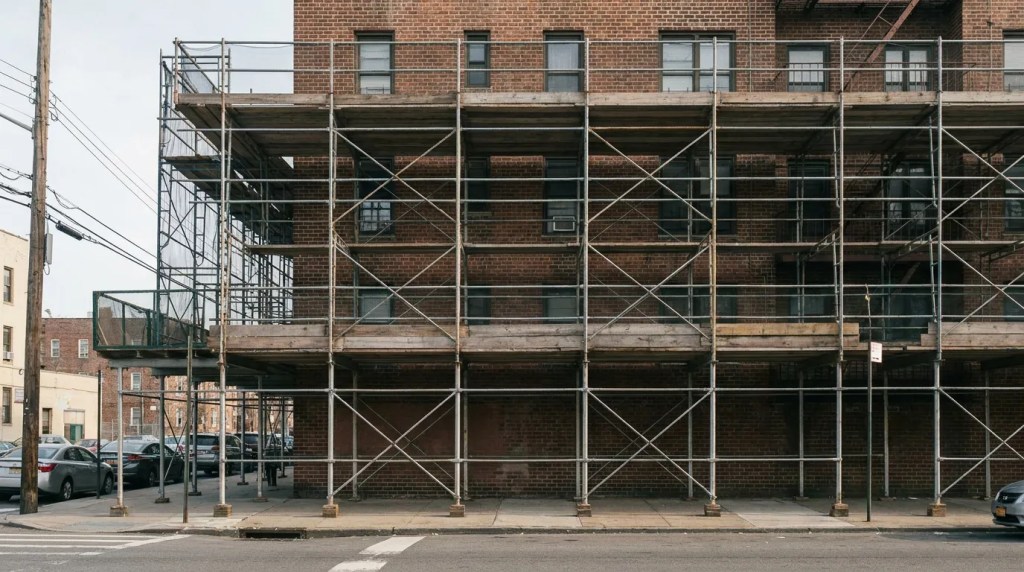
Height, Gravity, and the Law That Puts Responsibility Where It Belongs Key Takeaways: New York’s Scaffold Law, Labor Law § 240(1), requires owners, contractors, and their agents to provide and properly place safety devices such as scaffolds, ladders, hoists, and pulleys for workers doing elevated work. When a missing or inadequate device causes a gravity-related […]
How the Totality of the Circumstances Test Shapes Bronx Sidewalk Claims

When a "Small" Sidewalk Crack Becomes a Serious Legal Question in the Bronx Key Takeaways: New York does not use a fixed measurement to decide whether a sidewalk defect is actionable; courts generally apply a totality of the circumstances test rooted in Trincere v. County of Suffolk, weighing width, depth, elevation, edges, lighting, weather, debris, […]
How Section 29 Liens Affect Third-Party Settlements for NYC Workers

What Every Staten Island City Worker Should Know Before Signing a Third-Party Settlement Key Takeaways: Section 29 of New York’s Workers’ Compensation Law generally allows an injured municipal worker to collect benefits and still sue a negligent outside party, but the carrier or State Insurance Fund that paid those benefits may hold a lien on […]
What Is the Special Duty Rule in Manhattan City Worker Injury Claims?

Why the City Sometimes Argues It Owed You No Duty at All Key Takeaways: The special duty rule is a court-developed doctrine providing that a municipality acting in a governmental capacity generally cannot be held liable for negligence unless it owed a duty to you individually rather than to the public at large. Whether the […]
What Is Spoliation of Evidence in a Bronx Sanitation Worker Injury Claim?
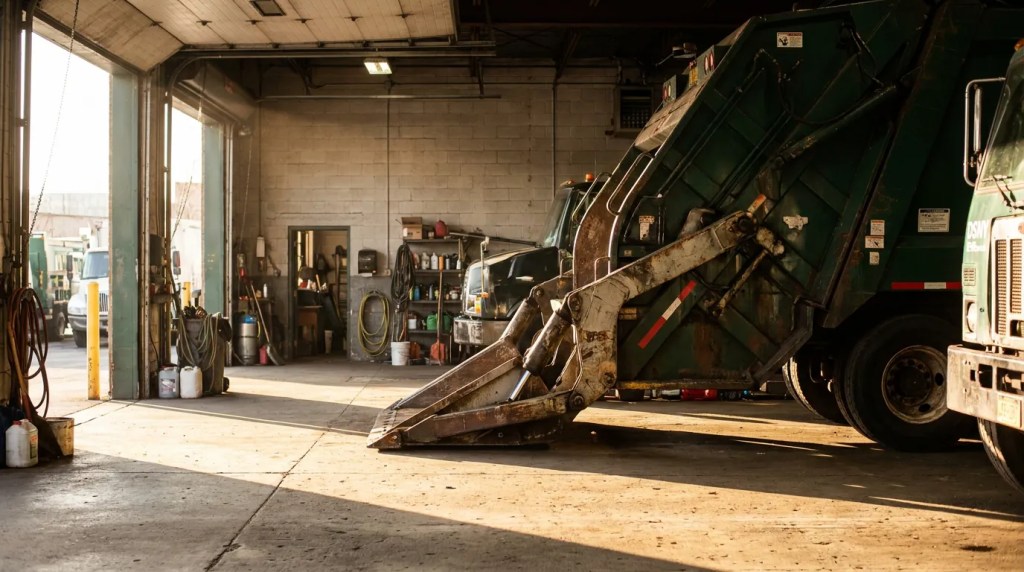
When Missing Records Can Change the Outcome of Your DSNY Injury Case Key Takeaways: Spoliation of evidence in a Bronx sanitation worker injury claim generally occurs when a party with a duty to preserve relevant proof loses, destroys, alters, or fails to produce it, including truck maintenance logs, Unusual Occurrence and LODI reports, dashcam or […]
What Happens If a Staten Island City Worker Misses the 90-Day Notice Deadline?
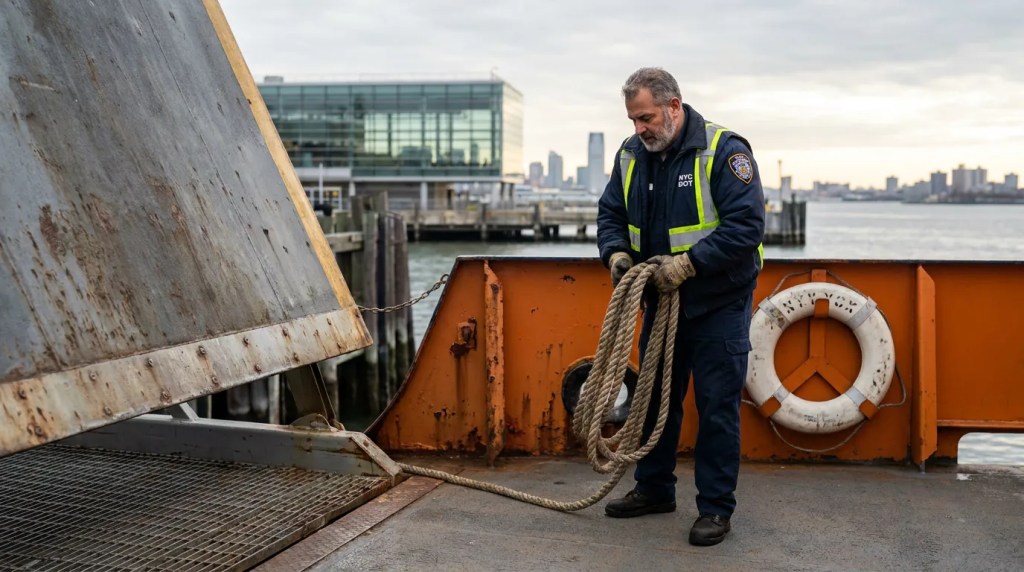
Missing the Notice Deadline as a Staten Island City Worker: What Comes Next Key Takeaways: Missing the 90-day Notice of Claim deadline under New York General Municipal Law §50-e does not automatically end a Staten Island city worker’s case, but it creates serious risk because the omission generally bars suit unless a court grants relief. […]
How to File an MV-104 Within 10 Days After a Bronx DSNY Crash
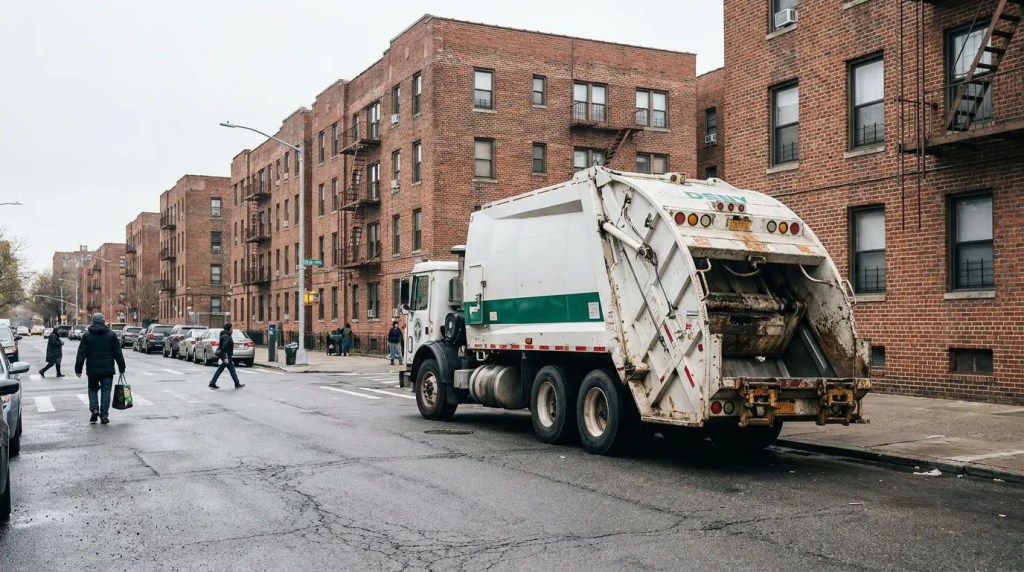
The 10-Day Crash Report Clock Every Bronx Sanitation Worker Should Know Key Takeaways: Under New York Vehicle and Traffic Law § 605, drivers involved in crashes causing injury, death, or property damage over $1,000 must file an MV-104 report with the DMV within 10 days. The MV-104 is driver-generated, distinct from the police MV-104A, and […]
What Is General Municipal Law 205-e for Injured Manhattan Officers?
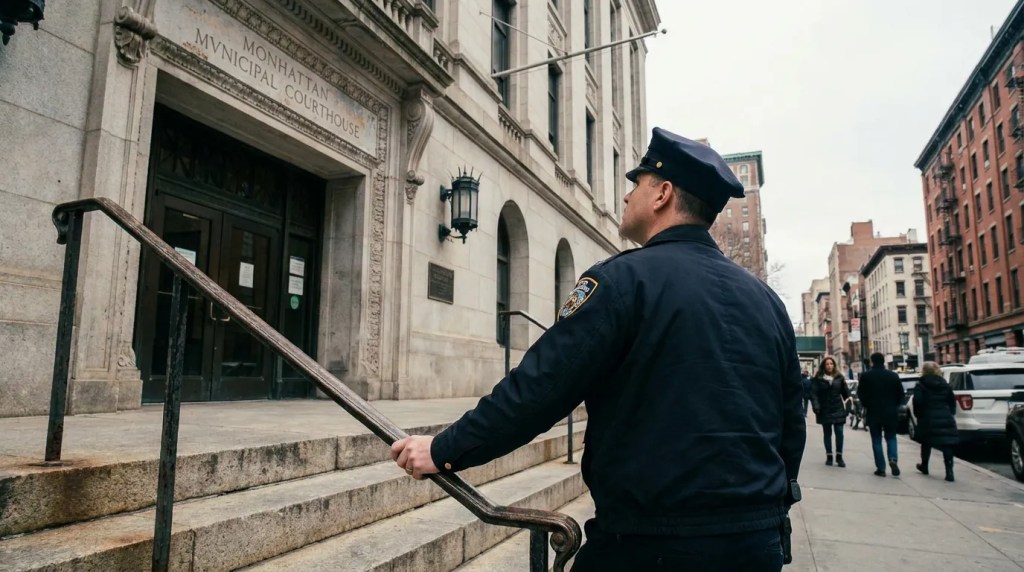
A Powerful but Overlooked Remedy for Injured NYPD Officers Key Takeaways: General Municipal Law § 205-e gives New York police officers, and in the event of death their spouses, children, or parents, a statutory right to sue a party whose failure to comply with a statute, ordinance, rule, order, or requirement caused the officer’s injury. […]
How to File a Notice of Claim After a Queens Construction Site Injury
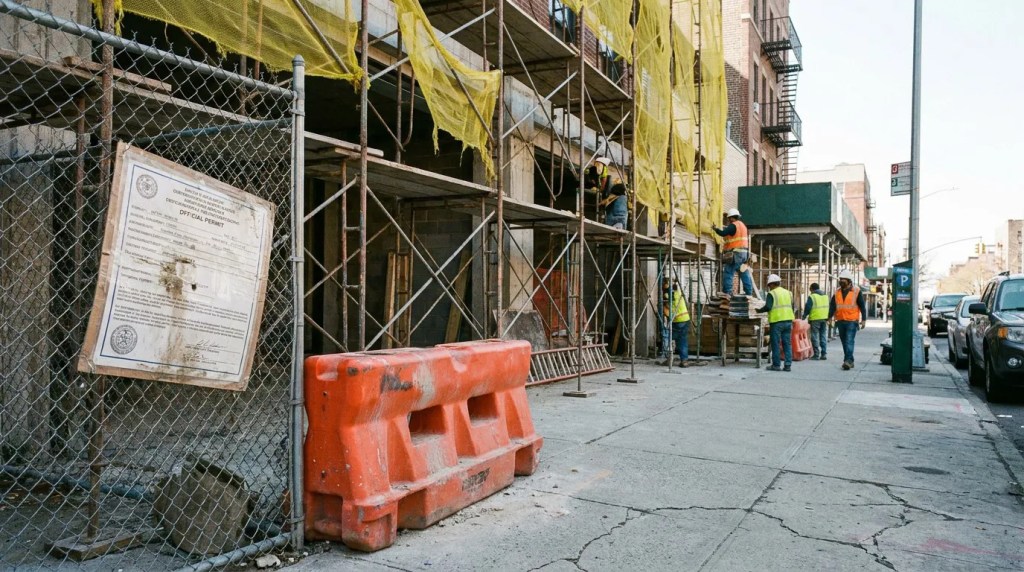
Understanding Your Rights After a Queens Construction Injury Key Takeaways: To file a Notice of Claim after a Queens construction site injury, city workers must serve written notice on the NYC Comptroller within 90 days under GML Section 50-e, including your name, post-office address, the nature of the claim, the time when, the place where, […]